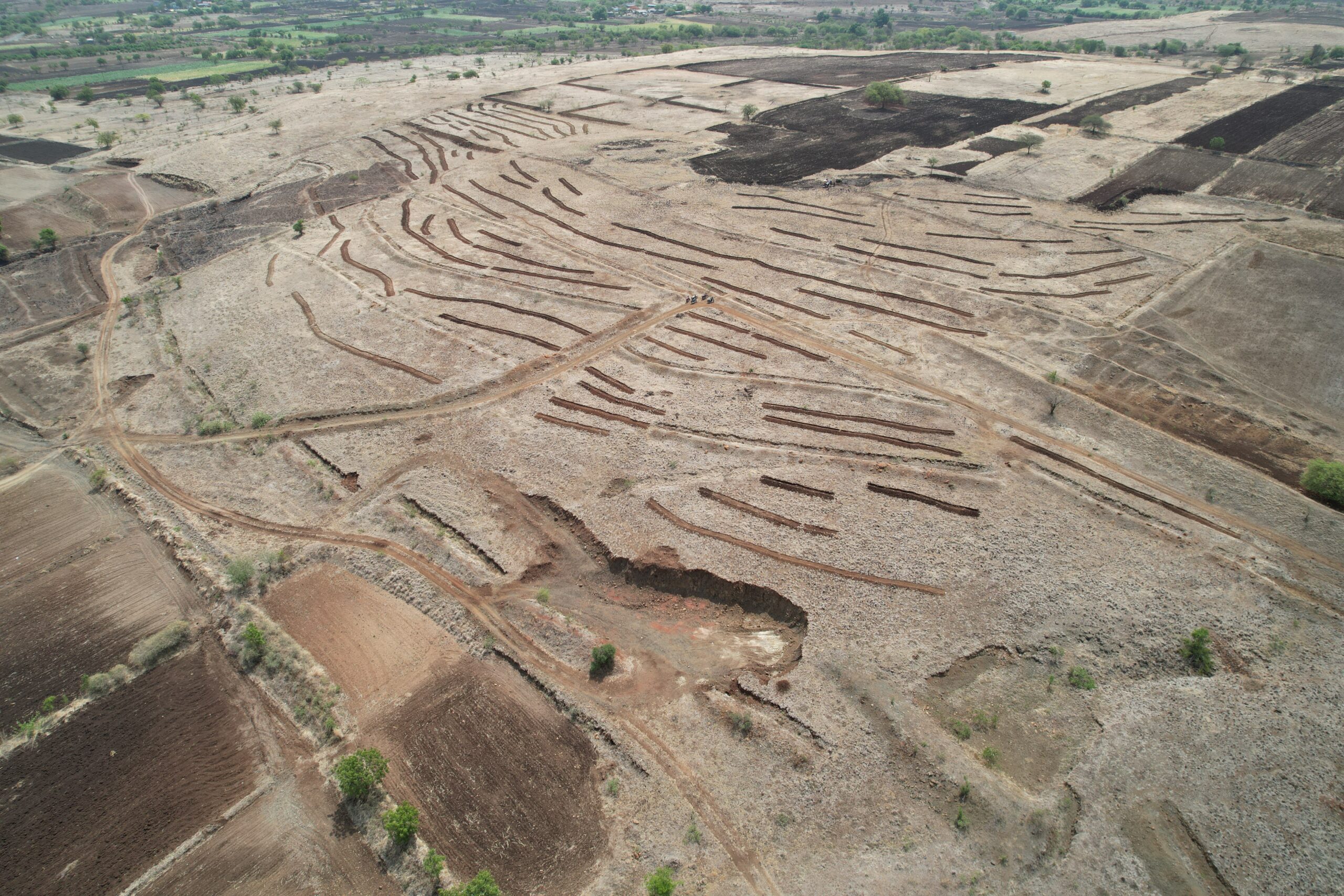
Climate change is fundamentally altering water availability, rainfall patterns, and the functioning of ecosystems—posing urgent challenges to communities that rely on natural resources for their survival. Integrated Water Resource Management (IWRM) provides a holistic framework to address these challenges by combining water conservation, ecosystem restoration, and sustainable livelihoods into one cohesive strategy. As rising temperatures intensify droughts, floods, and land degradation, it becomes essential to adopt water-smart practices that are both climate adaptive and community-centered. IWRM plays a crucial role in building systemic responses that improve local water cycles, strengthen agricultural sustainability, and protect vulnerable regions from the impacts of extreme weather.
One of the most effective nature-based solutions we adopt to address climate stress within IWRM is tree plantation. Across semi-arid and water-stressed landscapes such as Haryana and Karnataka, we have planted thousands of native trees around water bodies, recharge zones, and community lands. These plantations help cool local temperatures, enhance soil moisture, reduce water evaporation, and contribute to carbon sequestration. Through deep-rooted native species, we stabilize soil, reduce erosion, and support groundwater recharge—building natural buffers against climate extremes. In doing so, we not only improve local ecosystems but also promote biodiversity and create green livelihood opportunities through community nurseries and agroforestry. By embedding tree plantation into our broader water and land management efforts, we strengthen long-term ecological stability in areas most vulnerable to climate change.