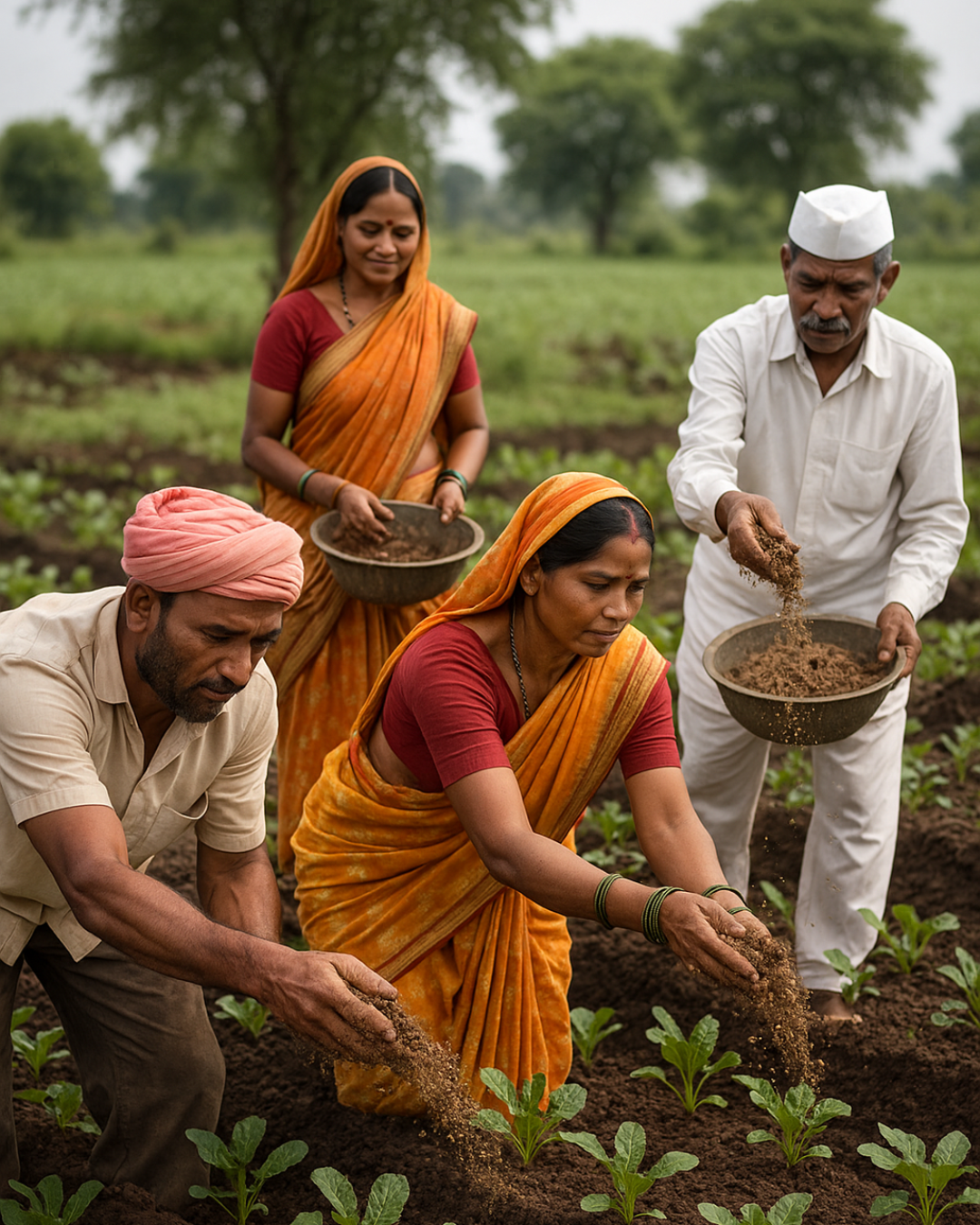
Integrated Water Resources Management (IWRM) promotes a holistic approach to managing water as a finite, shared resource essential for all sectors of life—agriculture, livelihoods, health, and ecosystems. It emphasizes collaboration across communities, governments, and industries to ensure equitable access, sustainability, and the protection of natural systems. By integrating traditional knowledge with modern technologies, IWRM strengthens local capacities to restore degraded lands, rejuvenate water bodies, improve sanitation and hygiene, and adopt water-efficient agricultural practices. It also advances water equity by addressing the needs of marginalized groups, empowering women through livelihood opportunities, and creating participatory decision-making processes. This comprehensive strategy fosters long-term water security, climate resilience, and the well-being of both people and the environment.
CLIMATE PROOFING RURAL LANDSCAPES
Rural communities across India face mounting water-related challenges—including declining groundwater, erratic rainfall, inefficient usage, and limited access to clean water for drinking, farming, and sanitation—making climate proofing of these landscapes increasingly urgent. Fragmented water governance and poor coordination across sectors intensify the crisis, often leading to duplication of efforts or policy gaps. Unsustainable farming practices like over-extraction and soil degradation further strain natural resources and reduce agricultural viability. Low community engagement and lack of awareness accelerate ecosystem decline, shrinking water bodies and degrading soil health. These interconnected issues heighten vulnerability to droughts, crop loss, and public health risks—weakening livelihoods and limiting the ability of communities to adapt and thrive in changing environmental conditions. Addressing these challenges requires integrated action that aligns environmental, social, and institutional efforts at every level.
KEY THEMATIC AREAS
SOIL & WATER CONSERVATION
Reviving degraded lands to improve soil health and reduce erosion, recharging groundwater, and improving biodiversity
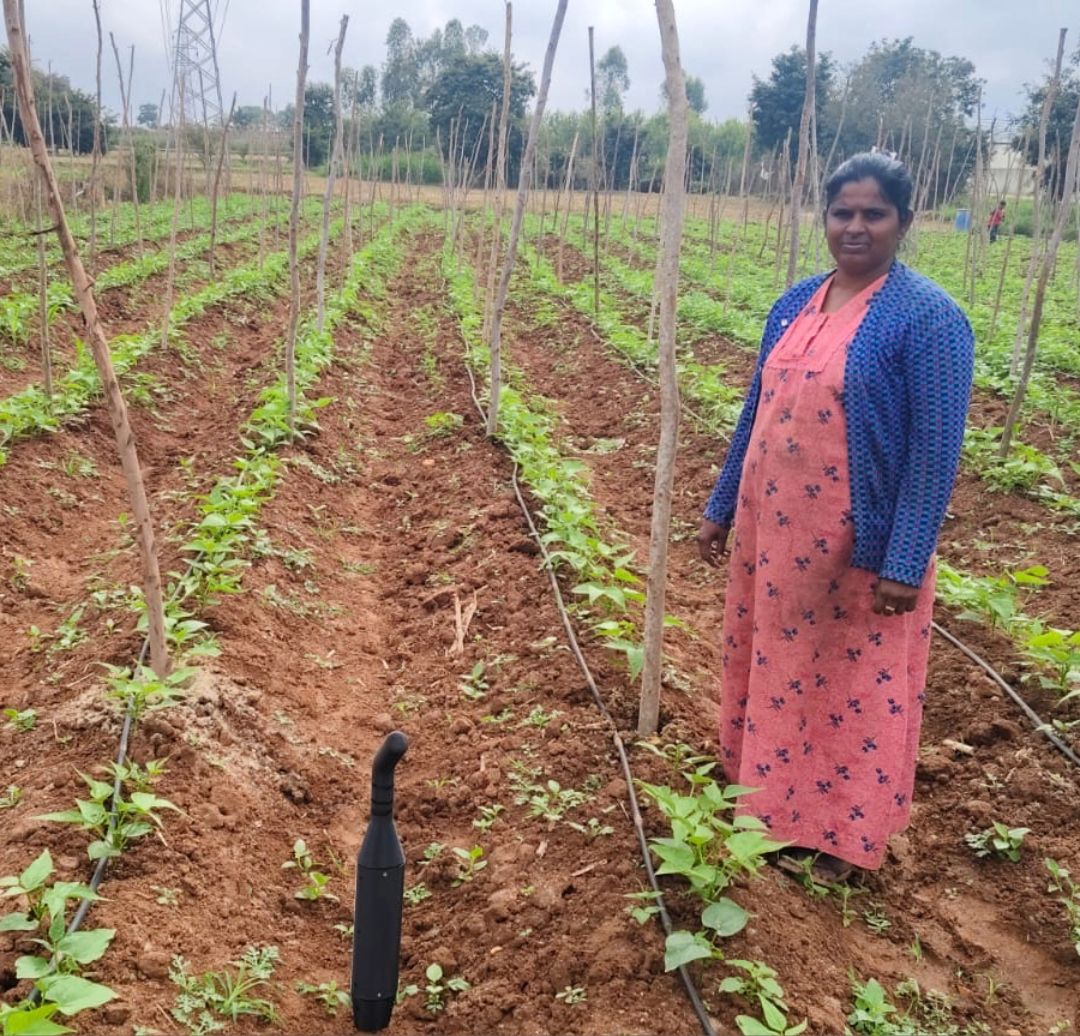
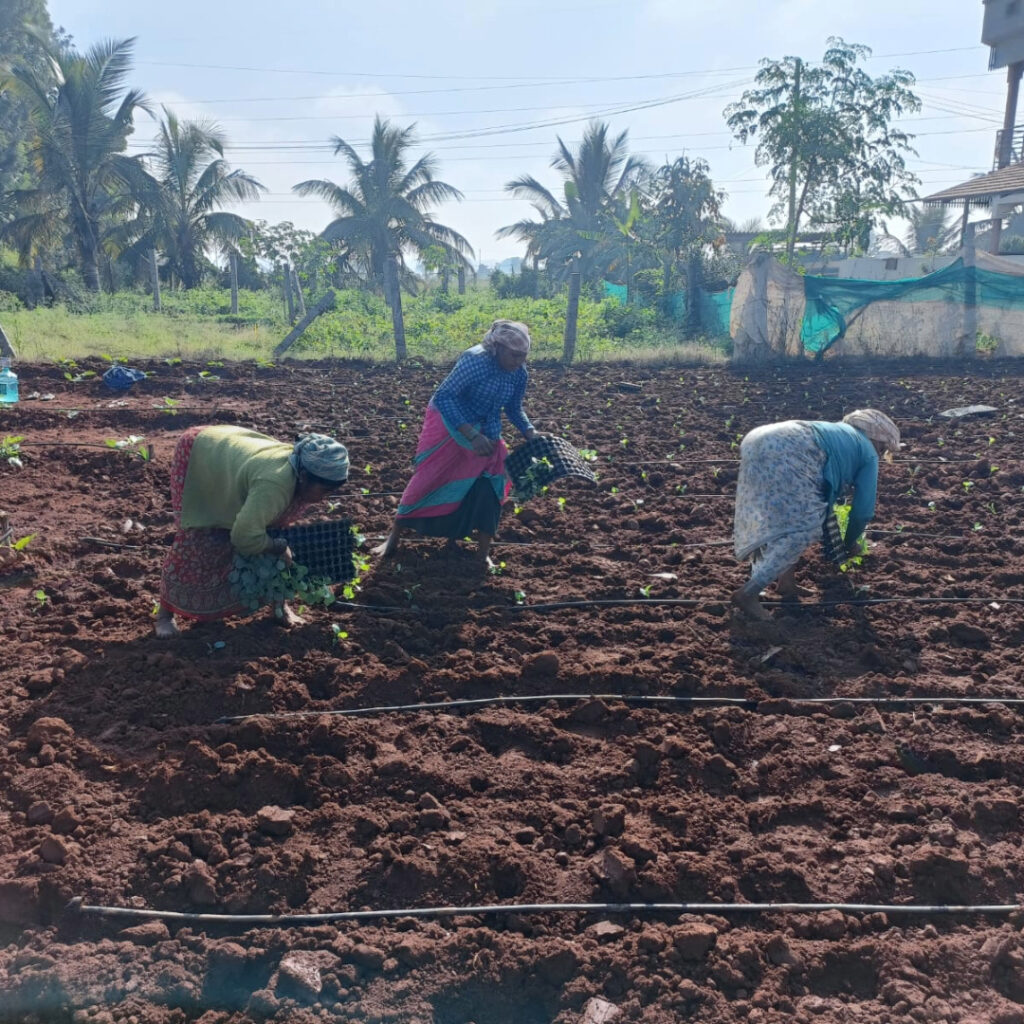
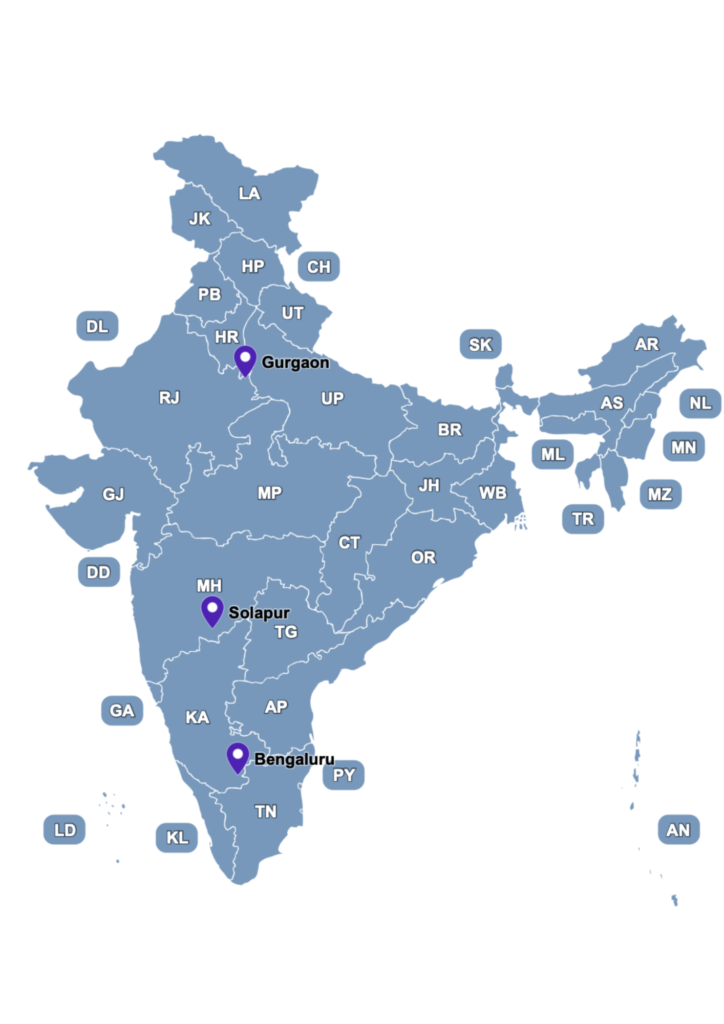
We implement Integrated Water Resource Management (IWRM) across Haryana, Maharashtra, and Karnataka, tailoring our approach to each region’s ecological and community needs. Our work focuses on water conservation, ecosystem restoration, and sustainable livelihood generation.
Haryana
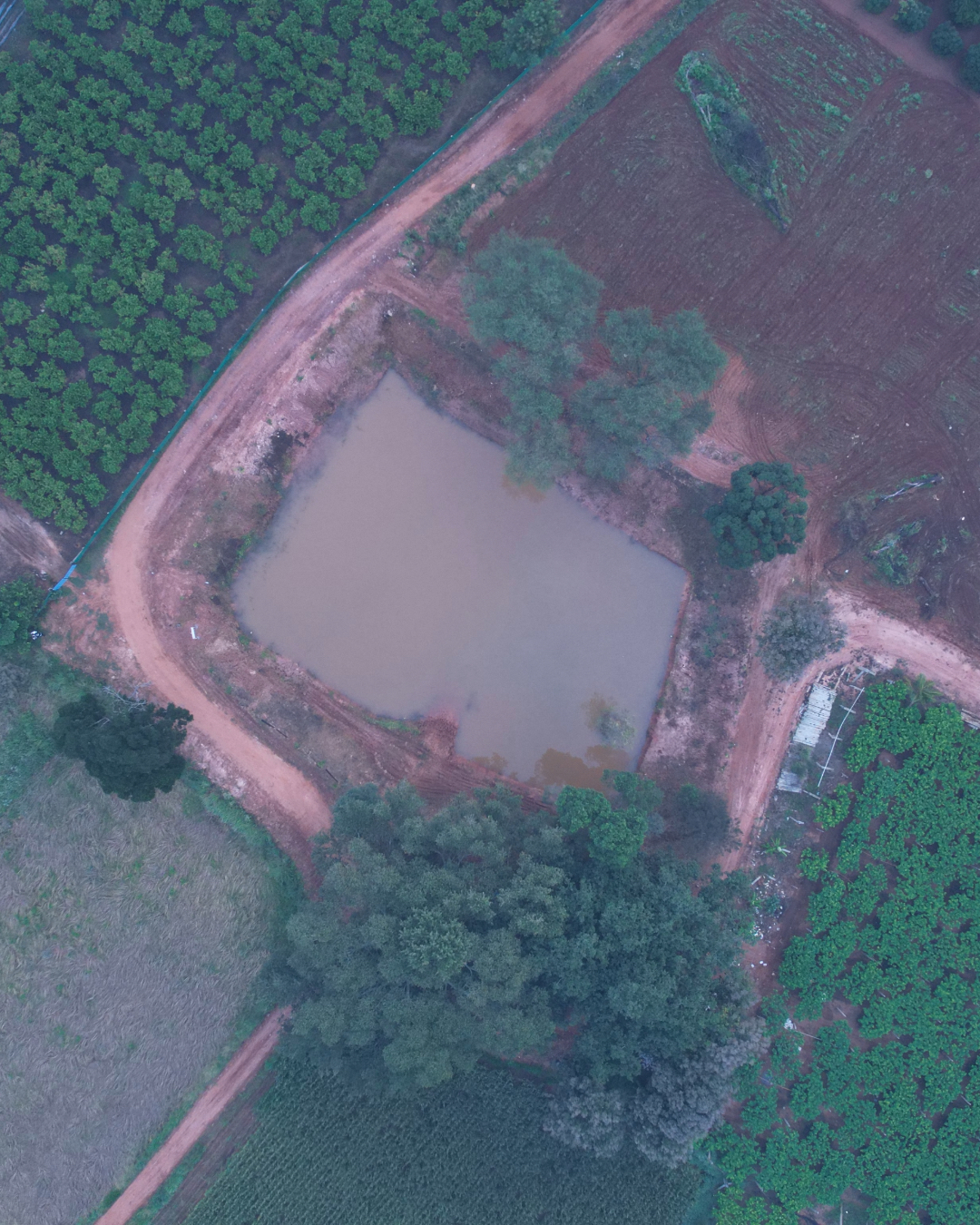
In Tikli, Bajghera, and the Aravalli Hills, we’ve restored traditional ponds to improve rainwater harvesting, recharge groundwater, and support local biodiversity. These rejuvenated water bodies now serve as vital community assets, built and maintained in collaboration with local residents.
Maharashtra
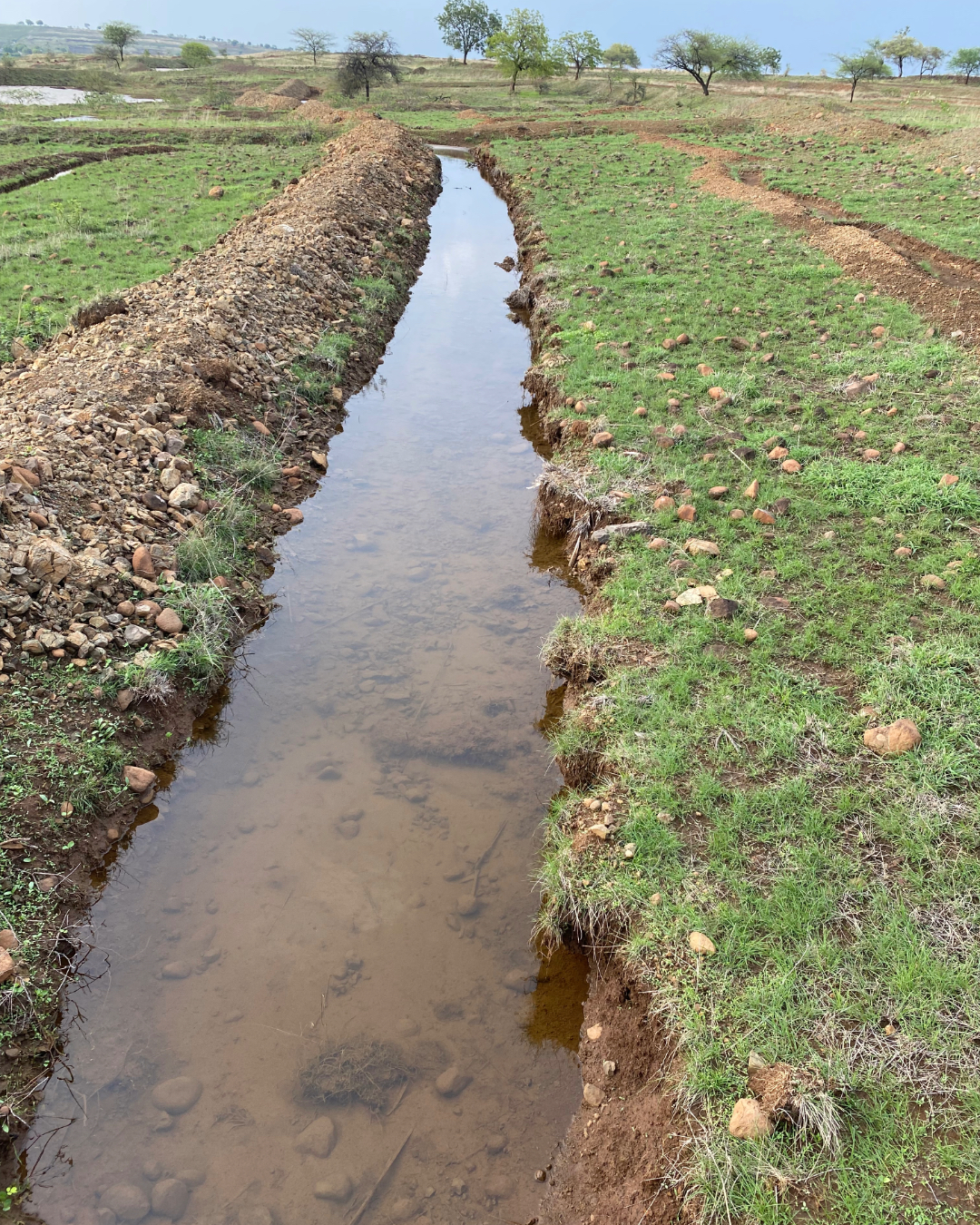
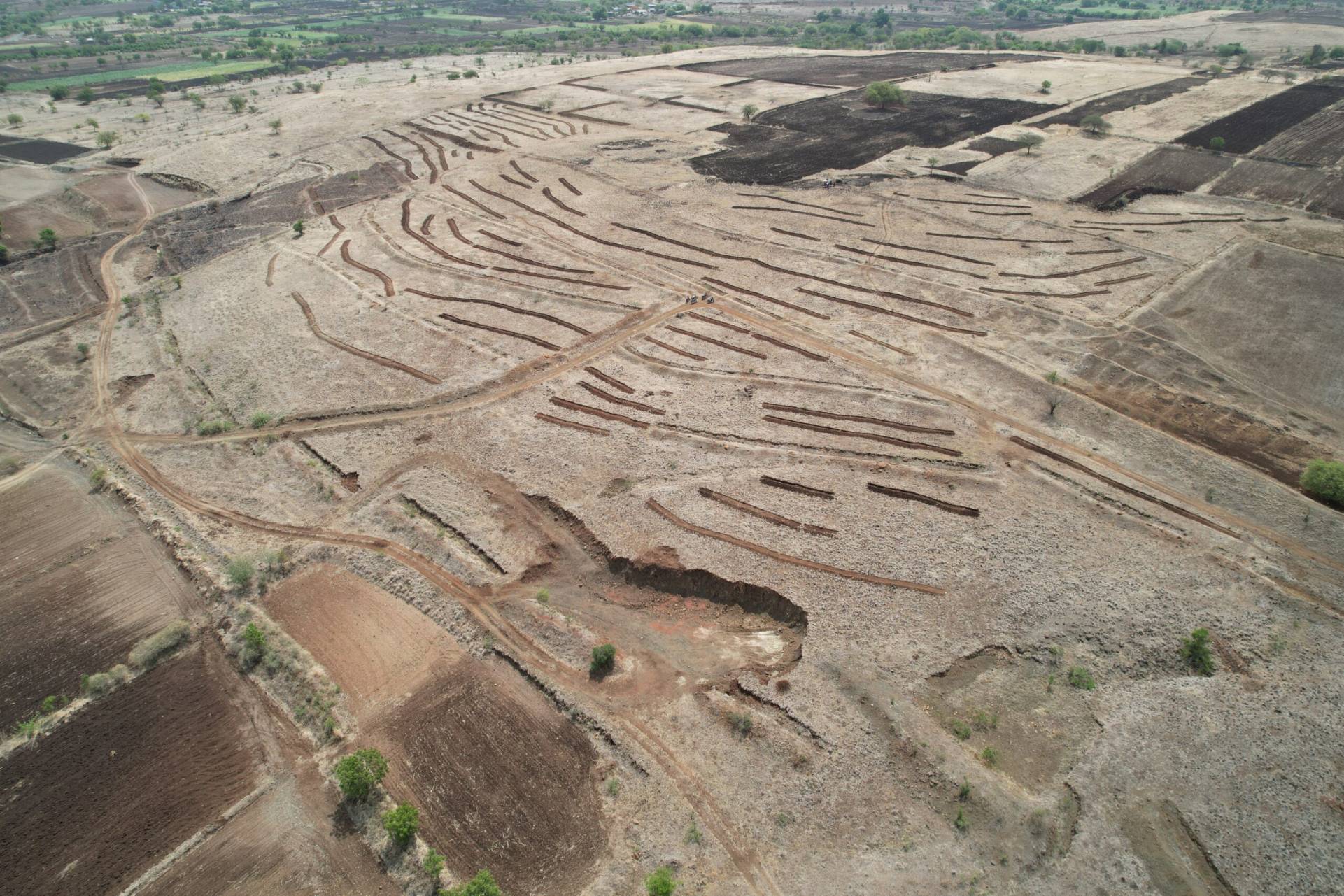
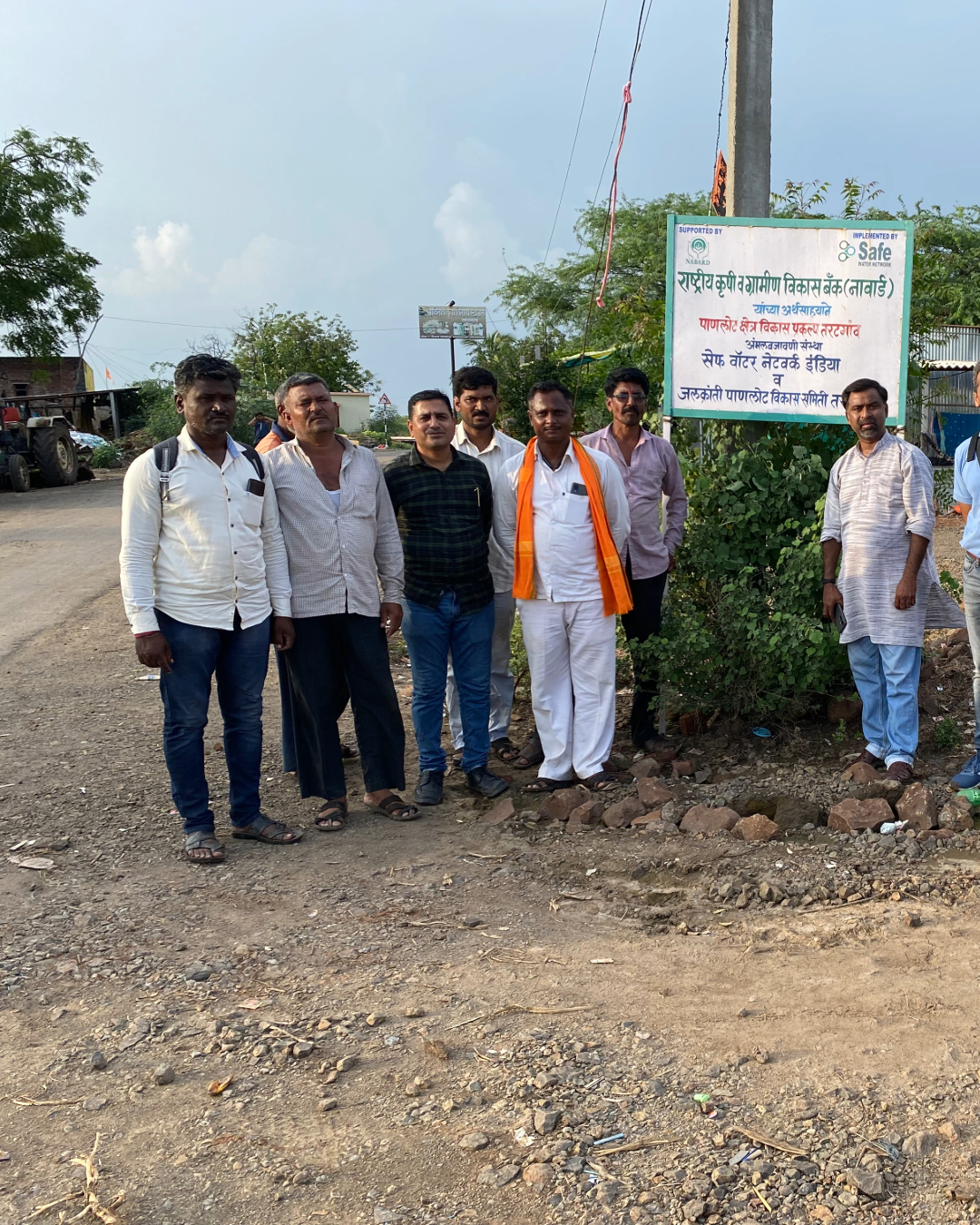
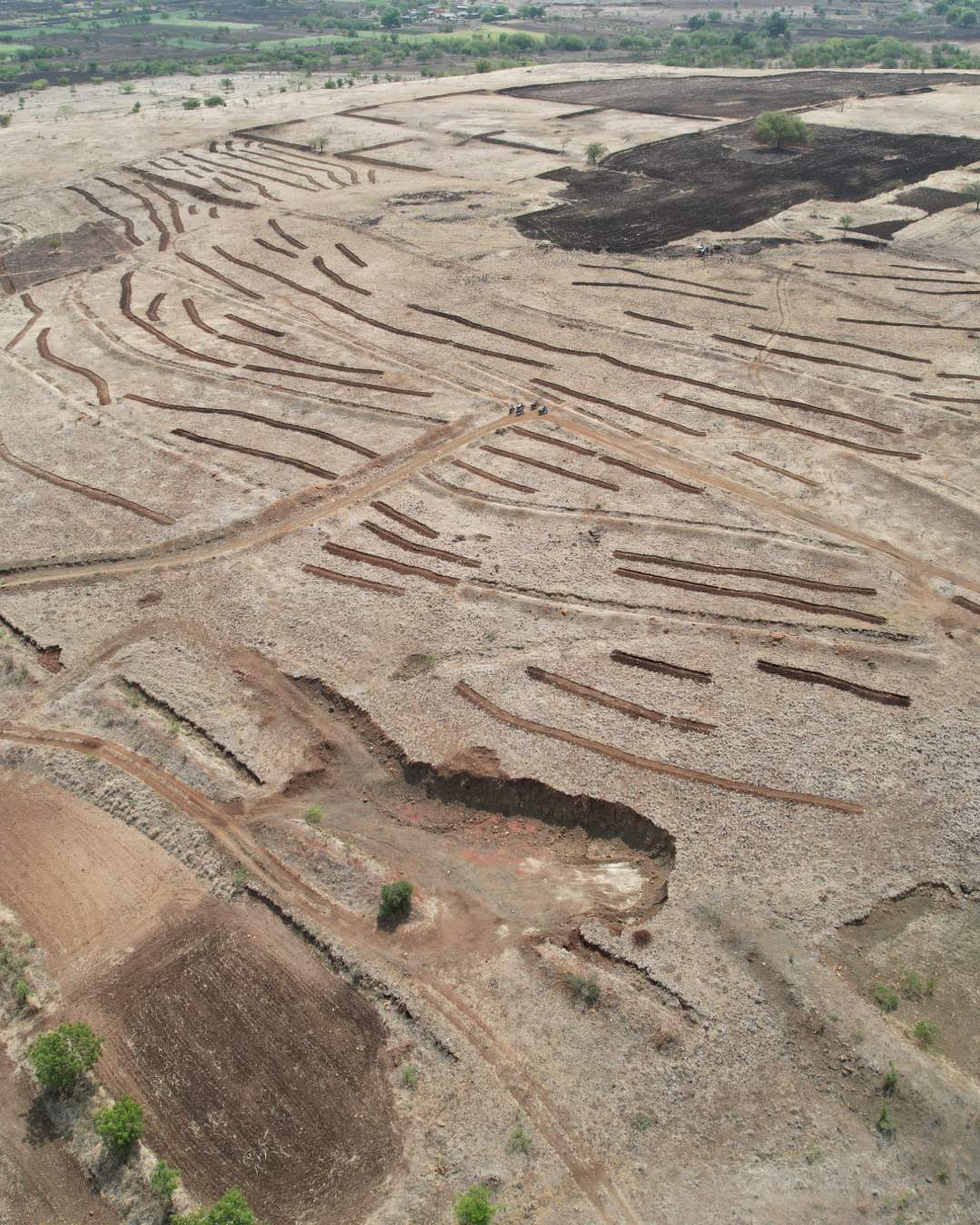
In the drought-prone district of Solapur, our watershed management efforts—including check dams and contour bunding—have significantly improved water retention and enhanced crop productivity. These interventions are transforming farming communities and enabling long-term agricultural resilience.
Karnataka
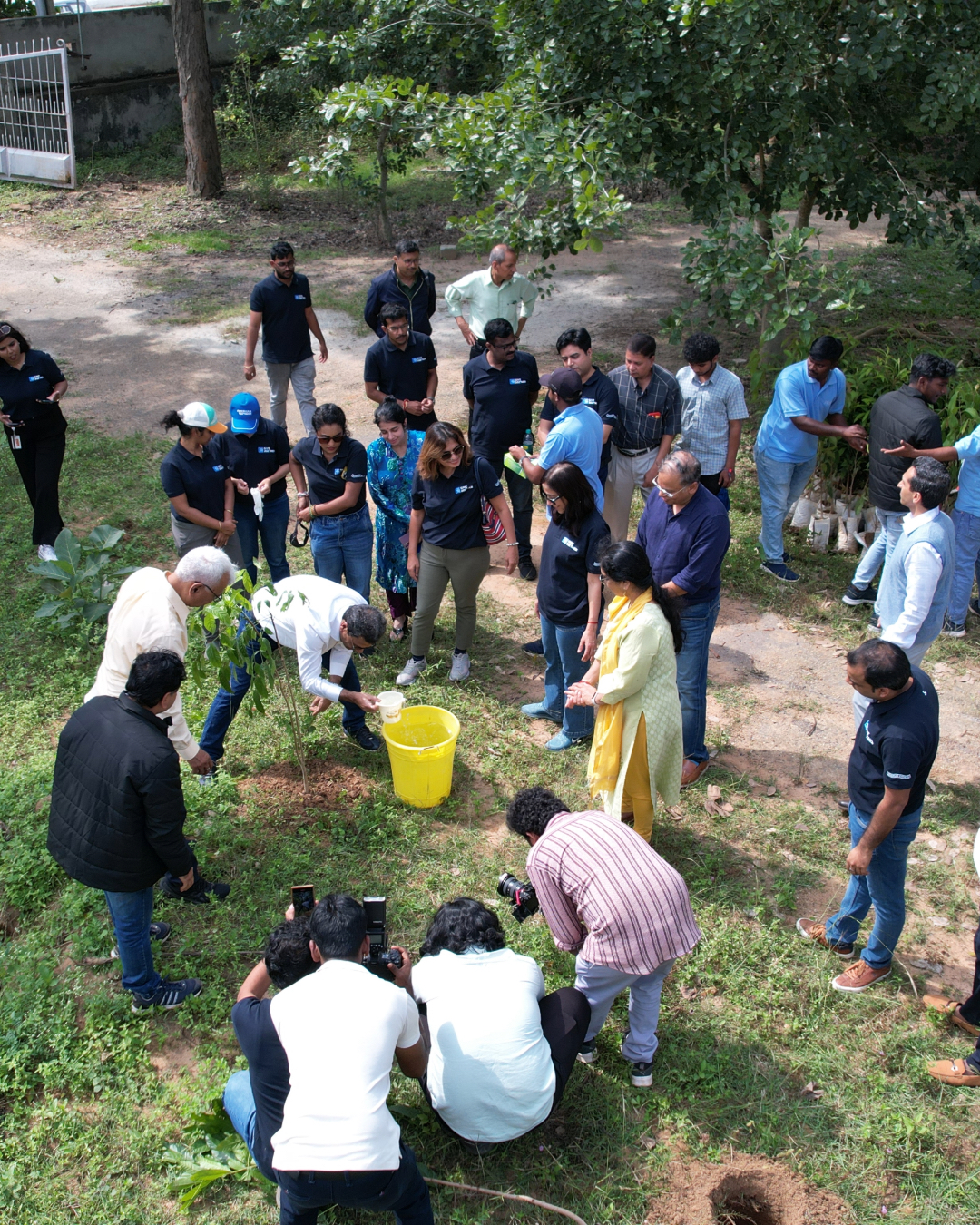
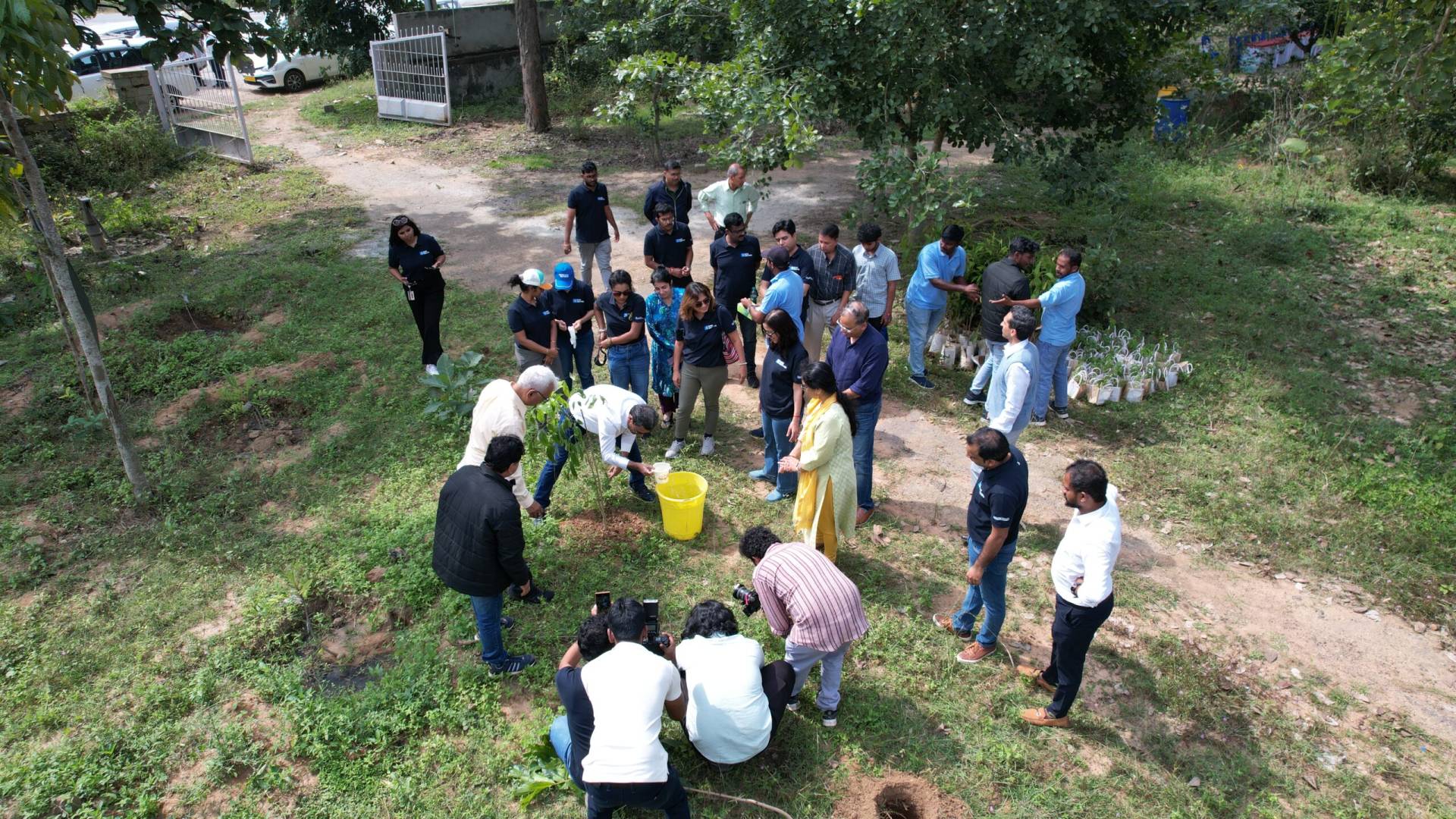
We are reviving lakes and tanks and conducting extensive tree plantation drives across Karnataka, with active involvement from schools, self-help groups, and panchayats. These efforts are helping recharge aquifers, restore green cover, and build climate resilience from the ground up.