Community management is at the core of any successful and long-lasting intervention in the Integrated Water Resource Management (IWRM) space. When local populations are actively engaged in managing their natural resources, the solutions created are not only more inclusive but also more resilient. Empowering communities means involving them in planning, decision-making, implementation, and ongoing maintenance of water and ecological infrastructure. Whether it’s maintaining check dams, protecting catchment areas, planting trees, or regulating local water use, the stewardship of communities is what transforms short-term projects into generational impact. Beyond physical tasks, community engagement builds awareness, instills a sense of ownership, and fosters environmental leadership from within, making water and ecosystem-related initiatives culturally rooted and socially sustainable.
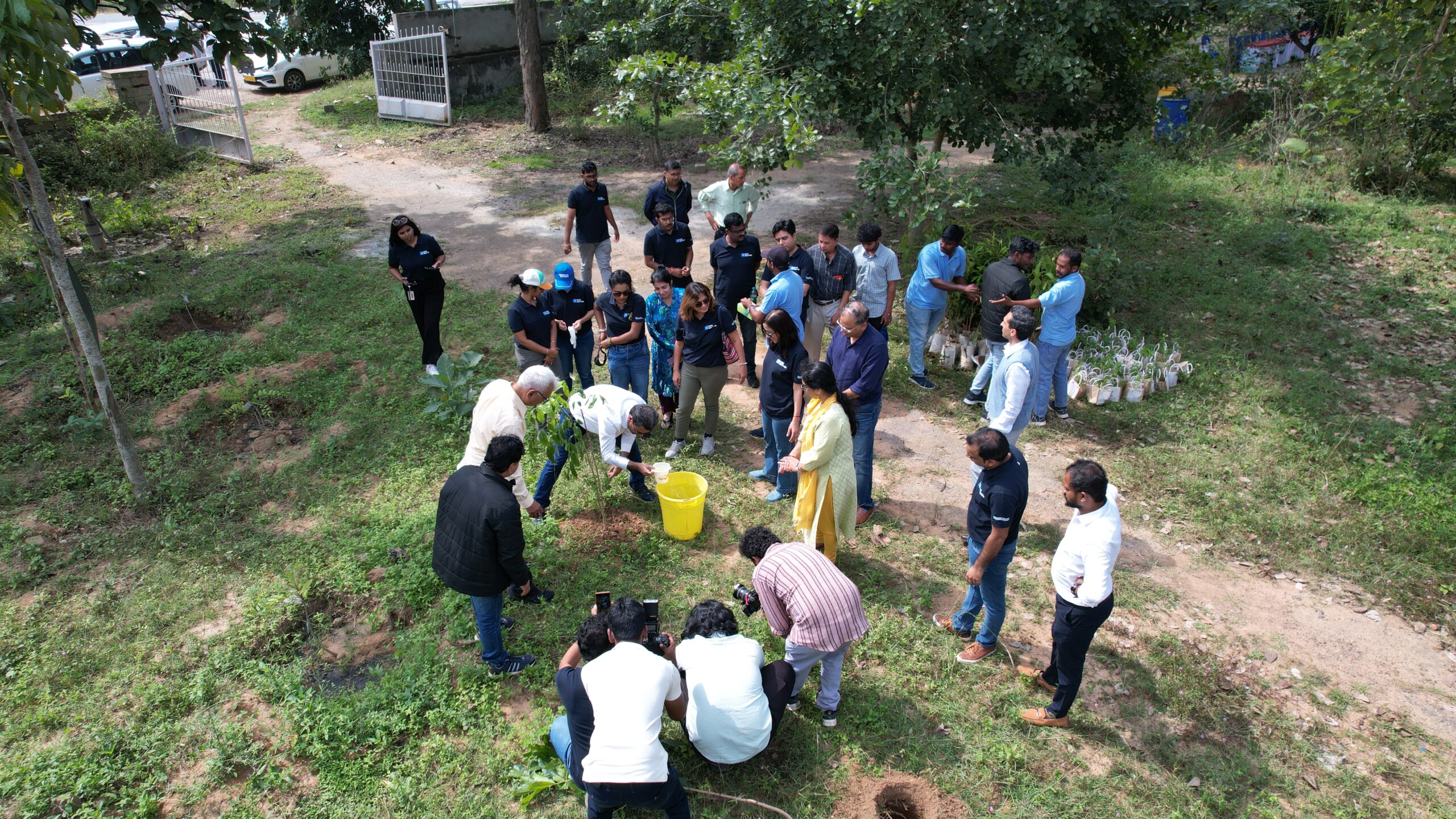
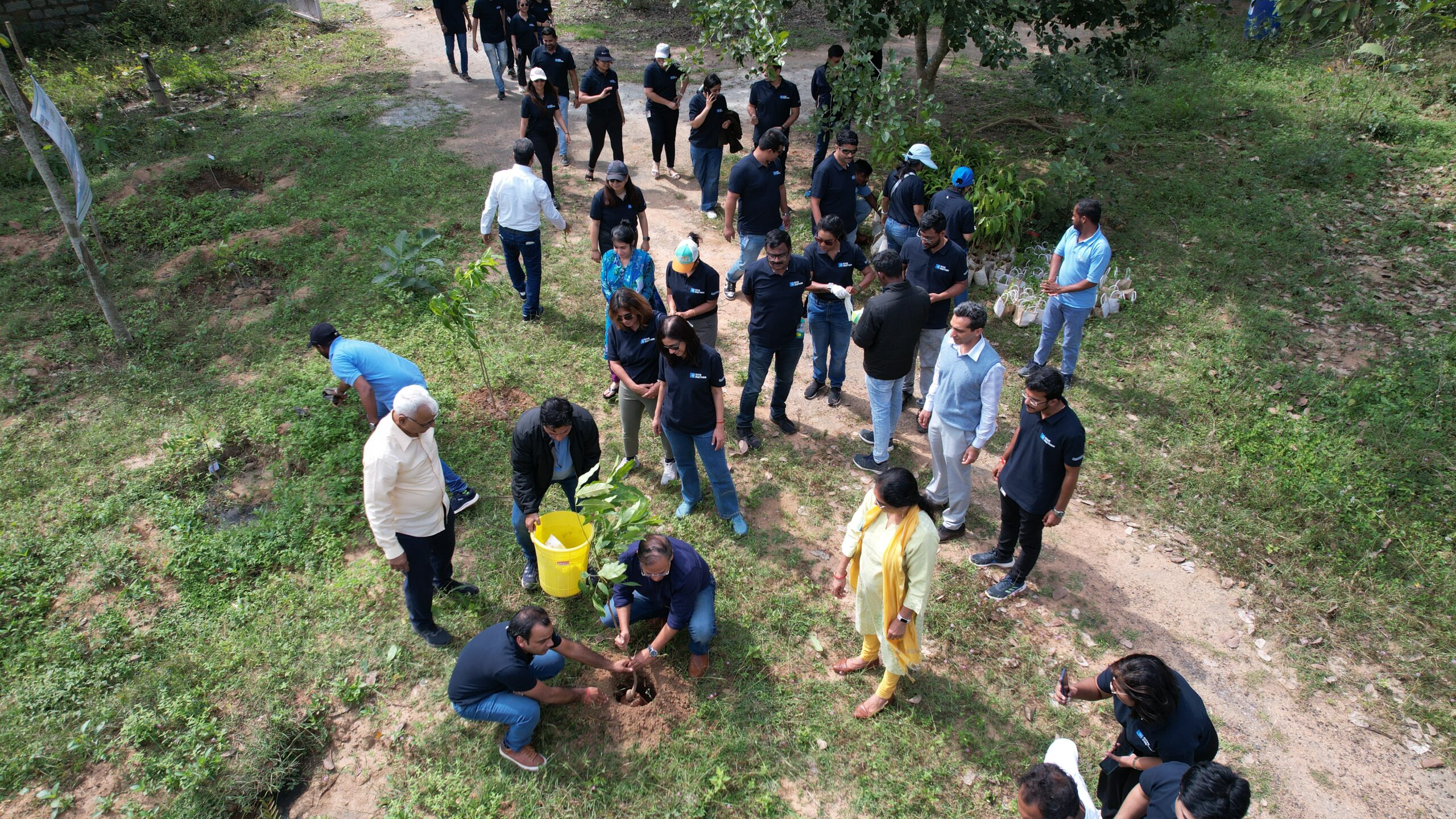
Safe Water Network India has embedded community participation at the heart of its restoration and water conservation programs. In states like Haryana and Karnataka, the organization has led large-scale ecological activities with deep community involvement. In a village of Haryana, for instance, residents were mobilized to participate in wastewater management for a local pond, transforming it from a polluted catchment into a thriving water source. Further, Safe Water Network worked with volunteers to implement large-scale tree plantations to stabilize soil and increase green cover. These efforts are not limited to plantation drives—volunteers and residents are trained and engaged in sapling care, mulching, bund creation, waterbody clean-up drives, and biodiversity mapping. The organization encourages local school children, women’s groups, and panchayat members to participate regularly, ensuring ecological restoration becomes a community habit rather than a one-time intervention. By turning citizens into custodians of their local ecosystems, Safe Water Network India is not just conserving water—it is nurturing a culture of ecological responsibility from the ground up.