Livelihood enhancement is a critical pillar of Integrated Water Resource Management (IWRM), especially in rural areas where people are directly dependent on natural resources for their income and well-being. By restoring water bodies, conserving soil, and promoting sustainable land use, IWRM not only secures environmental resources but also creates opportunities for dignified, nature-based employment. From agriculture and allied activities to eco-based entrepreneurship, integrated resource management fosters economic stability while promoting stewardship of local ecosystems. A strong focus on livelihoods also ensures long-term community participation and ownership of conservation outcomes.
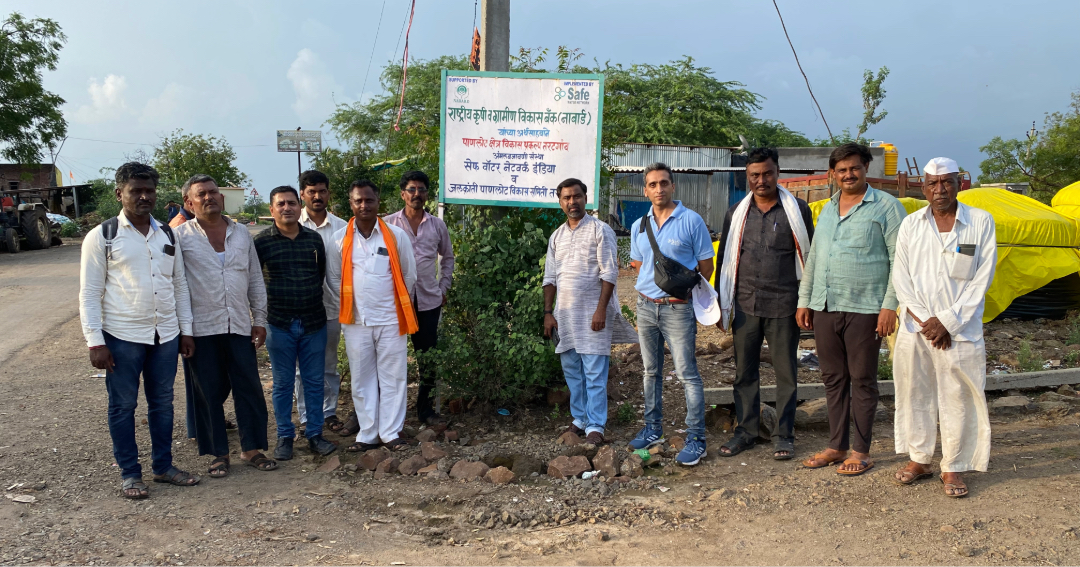
We embed livelihood generation into every stage of our IWRM work—from watershed development and tree plantation to water-efficient farming and land restoration. In drought-prone areas like Solapur, we have supported farming communities in adopting climate-resilient agricultural practices that improve crop productivity and income. We work closely with local groups to identify skill-building opportunities and create income streams aligned with environmental goals. By engaging people in activities such as managing restored landscapes, maintaining water infrastructure, and participating in green initiatives, we promote employment that is both sustainable and community-driven. These efforts not only uplift local economies but also encourage people to become active custodians of their natural environment.