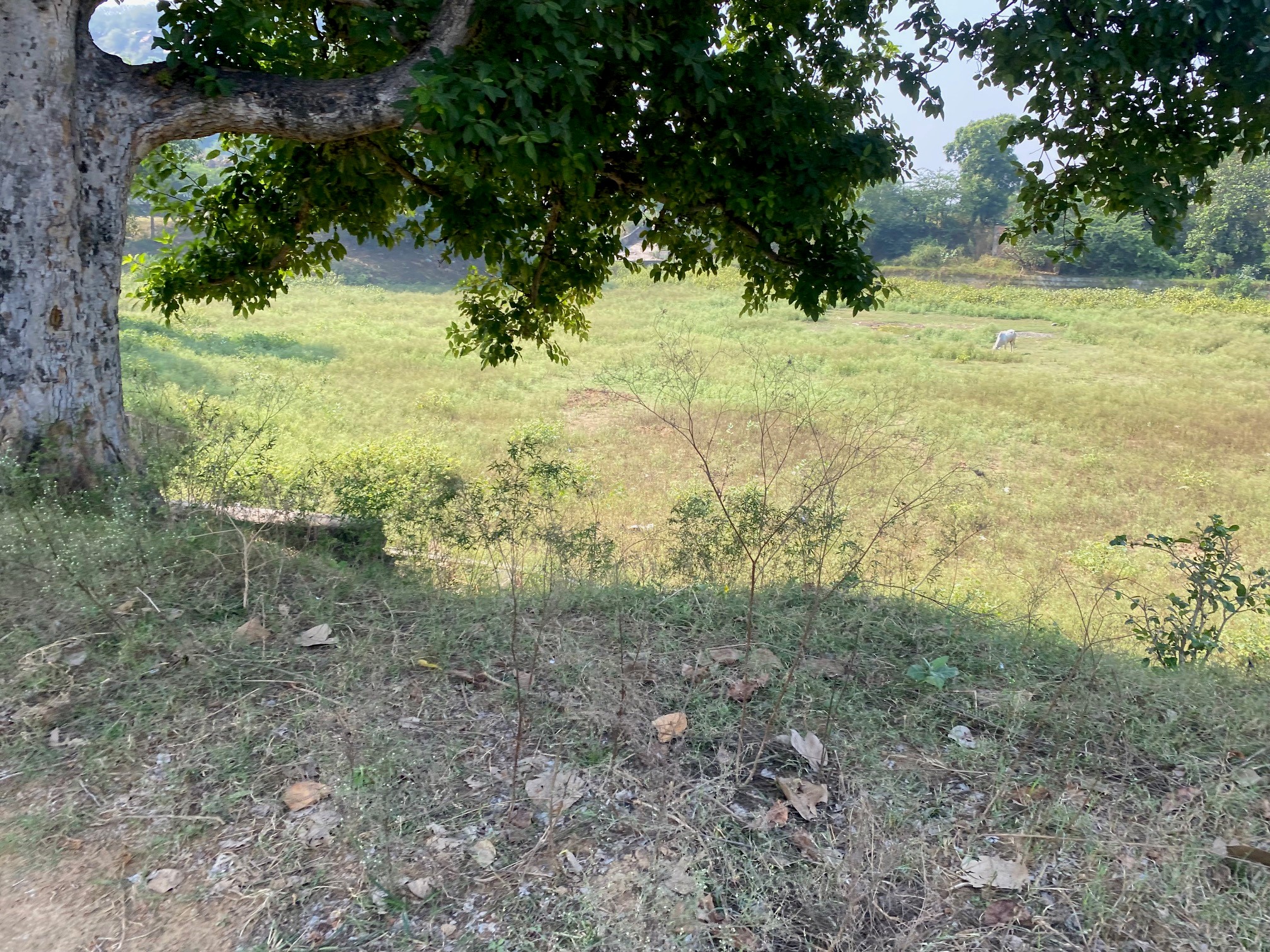
Soil and water conservation are foundational elements of Integrated Water Resource Management (IWRM), essential for sustaining agricultural productivity, preventing land degradation, and ensuring long-term water security. Healthy soil retains more water, supports diverse microbial life, and reduces the risk of erosion, while effective water conservation practices optimize the use of limited water resources. In the face of climate variability, population growth, and unsustainable land use, conserving these natural assets becomes critical. Techniques such as contour bunding, check dams, percolation pits, and mulching work in tandem to protect watersheds, recharge aquifers, and maintain the delicate balance between human activity and ecological health.
We integrate soil and water conservation measures as a core part of our IWRM approach across regions prone to drought and water stress. In areas like Solapur (Maharashtra), we have implemented watershed interventions—such as check dams, loose boulder structures, farm ponds, and field bunding—that have significantly improved soil moisture retention and groundwater recharge. We work closely with local farmers to promote water budgeting, organic mulching, and minimum tillage, reducing runoff and improving land fertility. These efforts not only make farming more climate-resilient but also enable multiple cropping cycles and enhance livelihoods. By combining traditional knowledge with science-based solutions, we help communities restore degraded lands, conserve vital water sources, and build a more productive and sustainable rural landscape.